
HELPFUL MAINTENANCE TIPS
Common Maintenance Tips and Fixes
WANT TO TRY A QUICK FIX?
WE'RE STILL HERE IF YOU NEED US
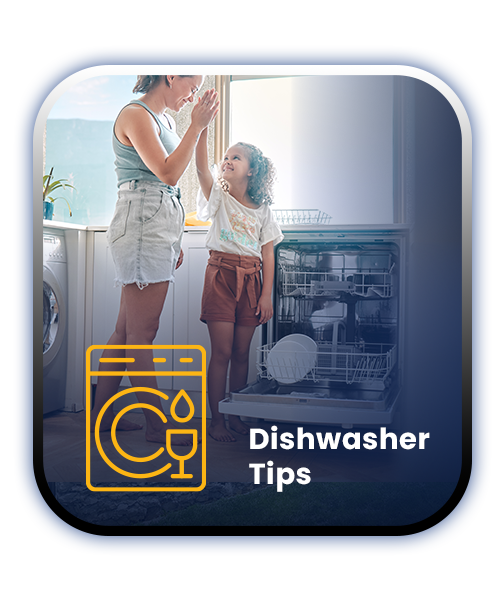
- Remember To:
- Run your dishwasher regularly; remove odors by running an empty cycle with 1 cup of white vinegar.
- Scrape food off dishes—no need to rinse (it wastes water).
- Select the proper wash cycle; shorter isn’t always better.
- Place the dirtiest items in the lower rack.
- Use either detergent with rinse aid or liquid rinse aid—not both.
- Be Sure To:
- Don’t overload; water and soap need to circulate freely.
- Clean the dishwasher filter near the bottom regularly.
- Run hot water at the nearest faucet before starting if the water heater is far away.
- Air-dry dishes by using the auto setting or cracking the door after the final rinse.
- Know Your Shutoff Valves:
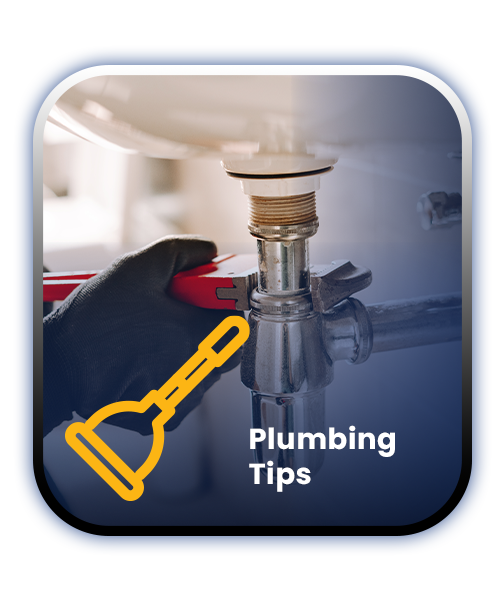
- Locate the main water shutoff valve and individual shutoffs for sinks and toilets to quickly stop leaks or emergencies.
- Prevent Clogs:
- Use drain cleaners periodically, avoid flushing anything other than toilet paper, and don’t put coffee grounds or starchy foods down the disposal.
- Be Cautious When Drilling:
- Avoid puncturing hidden pipes when drilling or nailing into walls, floors, or ceilings.
- Use Tools Wisely:
- Keep a quality plunger on hand for clogs and use a wet-dry vacuum to remove small objects from drains.
- Handle Fittings with Care:
- Don’t over-tighten pipe connections to prevent damage to fittings and fasteners.
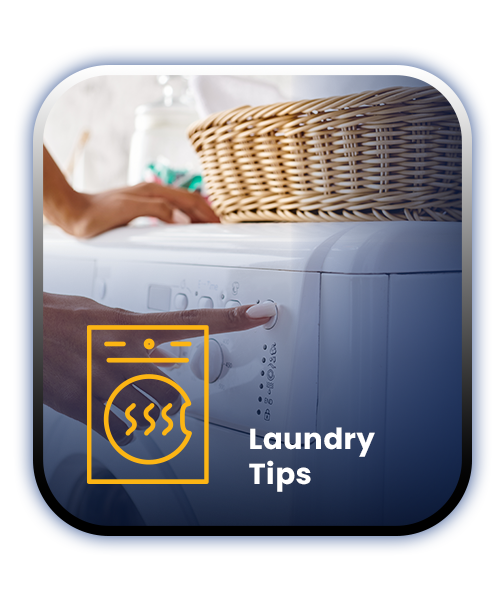
- Remember To:
- Remember your detergent and quarters!
- Pre-treat your stains! Use dish soap for grease and water with salt or club soda for wine, juice, coffee, and soda stains.
- Empty your pockets before washing.
- Separate colors to prevent dye bleeding.
- Be Sure To:
- Don't overload the machines; clothes need space to clean.
- Line-dry delicates like sweaters and dresses.
- Avoid hot water on items that may shrink; wash towels in hot water, others in cold.
- Empty the lint trap to save money and prevent fires.
- Use Cold Water:
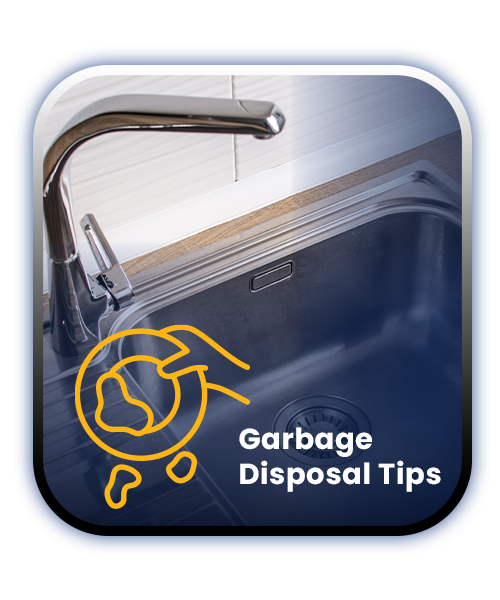
- Always run cold water before, during, and after using the disposal to prevent overheating and help flush debris.
- Clean Regularly:
- Drop in ice cubes or a spoonful of coffee grounds and run the disposal once a month to help clean and sharpen blades. Pour in a bit of dish soap, run cold water, and turn on the disposal for 30-60 seconds. Toss in citrus peels occasionally to freshen the smell.
- Run After Dishwasher Drains:
- Turn on the disposal after draining the sink to clear any leftover food bits.
- If It Loses Power:
- Hit the red reset button on the bottom of the unit's motor housing.
- If It Hums But Doesn't Spin:
- Unplug the unit & use a 1/4" allen wrench or a disposal un-jamming tool in the bottom center hole to manually turn the blades and free the jam.
- Never Put These Down The Disposal:
- anything non-food
- bones or fruit pits
- grease, oil or fat
- high-fiber waste
- expandable food (rice, pasta)
- chemicals or cleaning solvents
- Use Toilet Paper In Moderation:
Extra-thick or excessive toilet paper can build up quickly. A couple of flushes are better than one overloaded one. - Plunge Proactively:
If you notice slow flushing or rising water, a quick plunge early can prevent a full blockage later. - Watch For Running Water:
If you hear the toilet running when it’s not in use, the flapper may need adjusting or replacing. Catching it early saves water—and money.
Don't Flush:
- Diapers
- Facial Tissues
- Baby Wipes
- Paper Towels
- Sanitary Napkins
- Medications
MAINTENANCE MADE EASY
Some maintenance items are best handled by our team, while a few simple fixes can be taken care of right at home. Here’s a quick guide to help you know what’s what—and remember, we’re always here if you need us.
- Lighting:
- Residents typically replace light bulbs inside their apartments, while we take care of lighting in common areas. If a bulb is difficult to reach or feels unsafe to change, just let us know—your safety always comes first.
- Plumbing:
- Occasional clogs can happen. A plunger, drain snake, or liquid drain cleaner may help with minor issues. If the problem continues or you’re unsure, our team is happy to assist.
- Appliances:
- Simple upkeep can keep appliances running smoothly—like cleaning your dishwasher with vinegar, vacuuming behind the refrigerator, or checking dryer vents for lint. These small steps can make a big difference.
- Doors & Minor Adjustments:
- If a door feels a bit off, a quick hinge adjustment may solve it. If it’s still not quite right, we’re just a call away.
- Safety Devices:
- Residents are responsible for replacing batteries in smoke and carbon monoxide detectors. If a device still isn’t working after that, please reach out so we can help.
- Smoke Detector Battery:
- If your smoke detector is chirping, it is often time to replace the battery. If the detector continues to chirp, won't reset, or you're unsure at any point, please submit a maintenance request.

